
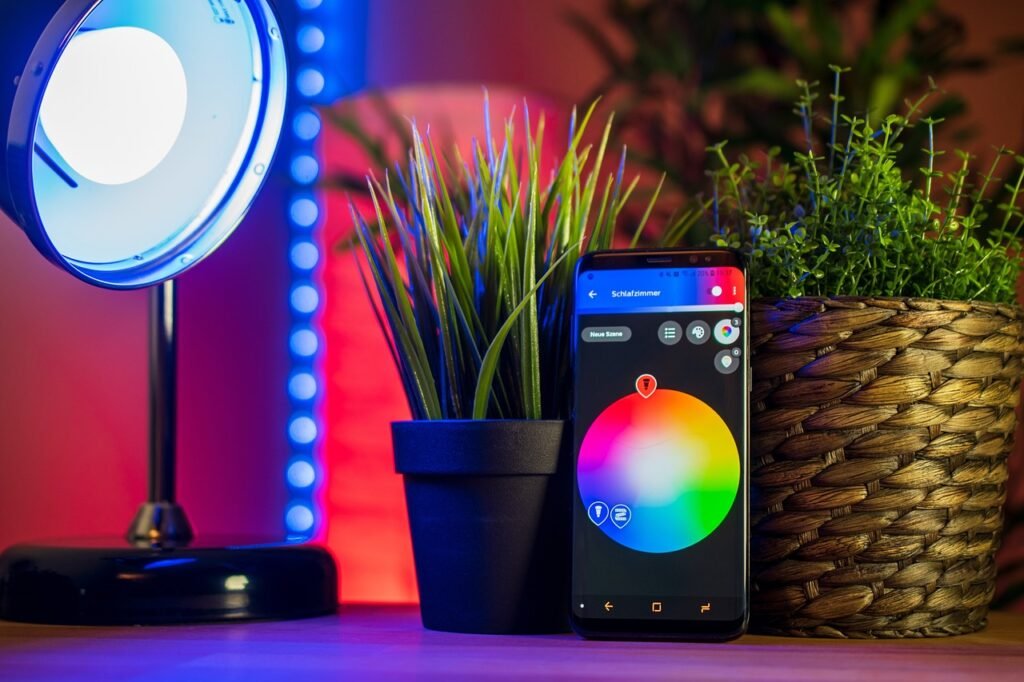
Smart living in 2026 is all about creating homes that are connected, intelligent, energy-efficient, and designed to support daily comfort and productivity. With advancements in AI, automation, and smart home ecosystems, everyday tasks become simpler, faster, and more intuitive. Below is a deeper look into how modern smart living is transforming lifestyles in 2026.
1. AI-Powered Automation and Assistants
Artificial intelligence is now at the center of modern living. In 2026, smart assistants are more conversational, predictive, and capable of handling complex multi-step tasks.
Key advancements include:
- Assistants that understand natural speech and context, not just commands.
- Predictive behavior, such as adjusting lighting before sunset or warming your room based on your routine.
- Multi-device orchestration, where a single command can trigger a series of actions like locking doors, lowering blinds, and turning off lights at once.
- Proactive alerts about appliance malfunction, energy spikes, or maintenance needs.
AI no longer just responds; it anticipates.
2. Fully Connected Smart Home Ecosystems
Interconnected devices form the backbone of modern smart living. Instead of operating independently, smart gadgets communicate and coordinate actions.
What this means for 2026:
- All major devices sync into one central app or hub.
- Devices use common standards for compatibility, reducing setup issues.
- Smart sensors throughout the home detect motion, occupancy, temperature, humidity, and adjust systems automatically.
- Remote access allows you to monitor and control your home from anywhere.
A fully connected ecosystem reduces manual effort and creates a seamless living experience.
3. Smart Security and Personal Safety

Security systems have evolved from simple alarms to full-fledged smart monitoring networks.
Advanced security features include:
- AI-driven cameras that differentiate between family members, guests, and intruders.
- Real-time, precise alerts instead of generic motion notifications.
- Smart locks with custom access codes and temporary visitor access.
- Automated routines, such as locking doors or activating alarm systems when you leave home.
- Integration with emergency services for faster response.
This level of intelligent security brings peace of mind around the clock.
4. Energy Efficiency, Smart Climate Control, and Lighting
Energy management is now a priority in every smart home due to rising awareness of sustainability and cost savings.
Key components of energy-smart living in 2026:
- Smart thermostats that learn your preferences and adjust temperatures automatically.
- Adaptive lighting that adjusts brightness and color temperature based on the time of day.
- Real-time energy usage reports that help reduce wastage.
- Homes integrated with solar and battery storage to cut electricity bills.
- Automated blinds that react to sunlight to manage indoor temperature.
These systems work together to maintain a comfortable environment with minimal energy waste.
5. Smart Appliances for Daily Convenience
Smart appliances have moved beyond novelty and are now essential for an efficient home.
Common smart appliance capabilities include:
- Refrigerators that track expiration dates and send restock reminders.
- Ovens that can be preheated remotely or set to auto-cook.
- Washing machines with load sensors that optimize detergent use and wash cycles.
- Vacuum robots that map your home and clean intelligently without supervision.
Each appliance contributes to reducing daily effort and enhancing convenience.
6. Wellness-Focused Smart Living
Smart living in 2026 goes beyond productivity; it enhances physical and mental well-being too.
Wellness features include:
- Air quality sensors that monitor pollutants and automatically activate purifiers.
- Circadian lighting to support better sleep and balanced mood.
- Smart beds that track sleep patterns, adjust firmness, and optimize rest.
- Noise-monitoring systems that help maintain a calm and peaceful environment.
Homes are designed to support holistic wellness rather than just functionality.
7. Accessibility and Inclusive Design
Smart home technology has become highly inclusive and accessible.
Accessibility improvements include:
- Advanced voice control for people with mobility challenges.
- Gesture-based interactions for hands-free control.
- Automated lighting and security systems that reduce manual effort.
- Alerts and notifications tailored for hearing or vision-impaired individuals.
This ensures that smart living benefits everyone, regardless of age or limitation.
8. Sustainable and Eco-Friendly Living
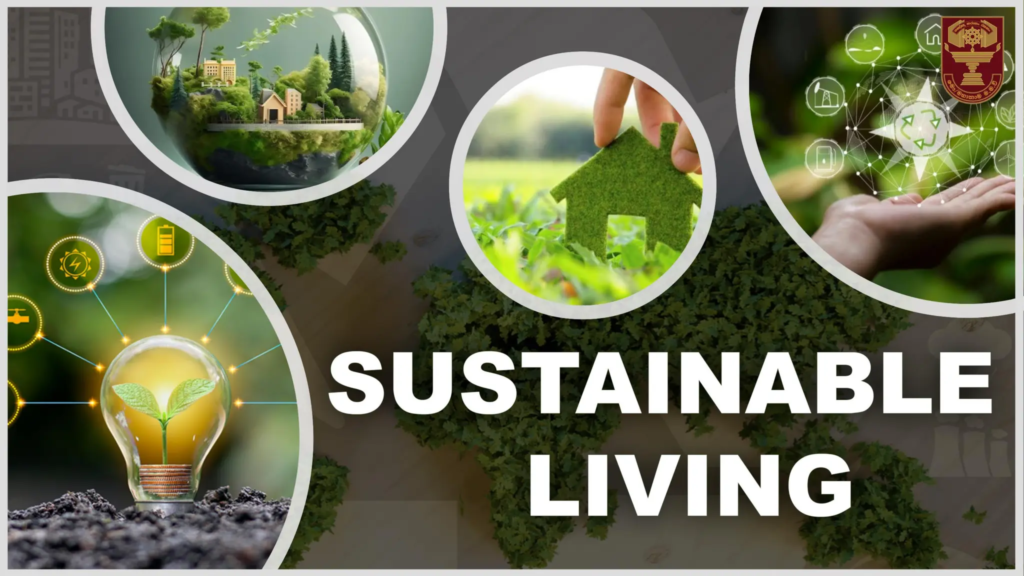
Sustainability is no longer optional. Smart homes in 2026 are built with eco-friendly features at the core.
Sustainability elements include:
- Smart water meters that detect leaks and reduce wastage.
- Weather-responsive irrigation systems for gardens and plants.
- Homes designed to support renewable energy integration.
- Materials and designs that reduce heat loss and improve natural airflow.
Living smart also means living sustainably.
9. Future-Forward Design and Aesthetic Integration
Technology is now blended into home interiors, making the living space both functional and visually pleasing.
Trends include:
- Minimalistic interiors with hidden smart panels and sensors.
- Multi-purpose furniture with built-in smart features.
- Seamless wall-integrated lighting, audio, and climate systems.
- Smart mirrors with health, news, and schedule displays.
Technology no longer stands out; it blends into the home environment.
Summary
Modern smart living in 2026 is defined by:
- Intelligent automation driven by AI
- Connected and unified smart ecosystems
- Enhanced safety and energy efficiency
- Convenience through smart appliances
- Wellness-focused home environments
- Accessible and inclusive smart features
- Sustainable, eco-friendly home solutions
- Seamless integration of design and technology
Smart living today is not just about gadgets; it’s about creating a lifestyle that saves time, reduces effort, boosts comfort, and supports personal well-being.
#SmartLiving2026 #ModernLiving #FutureHomes #SmartHomeTech #AIHomeAutomation #ConnectedLiving #HomeInnovation #SmartLifestyle #DigitalLiving #Anslation #Carrerbook