
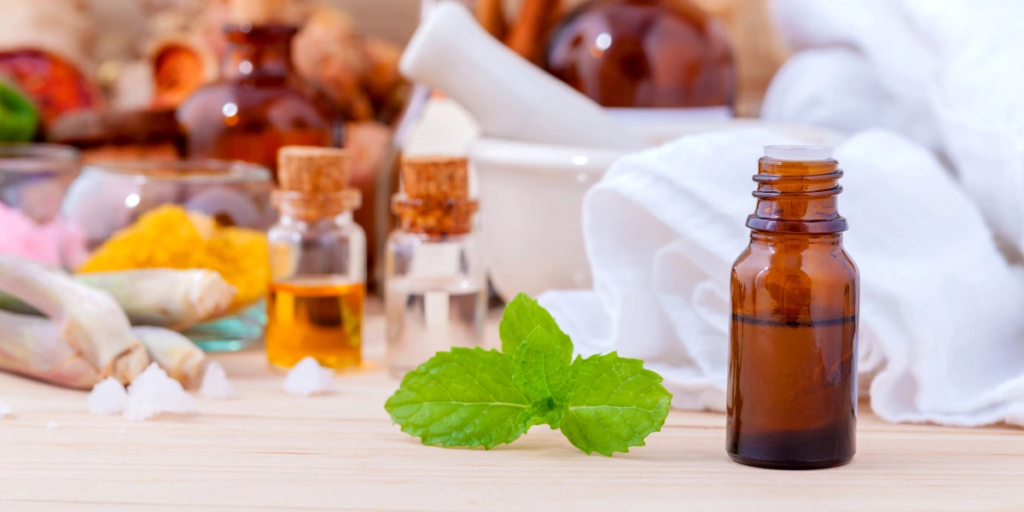
Everyday life can get busy before you even realise it. Between work, family responsibilities, constant notifications, and the pressure to get everything done, finding a little time to relax can feel difficult. Sometimes, all you need is a quiet corner, a few deep breaths, and a scent that helps you slow down. That is where aromatherapy can become part of your self-care routine. It uses aromatic essential oils from plants to create a pleasant atmosphere and support relaxation. Scents such as lavender, chamomile, and bergamot are popular choices for people who want to make their homes feel calmer and more comfortable.
Aromatherapy is not a magic solution for stress, and it will not make every difficult day disappear. However, when combined with healthy habits such as proper sleep, gentle movement, and mindfulness, it can become a simple way to make time for yourself.
What Is Aromatherapy?
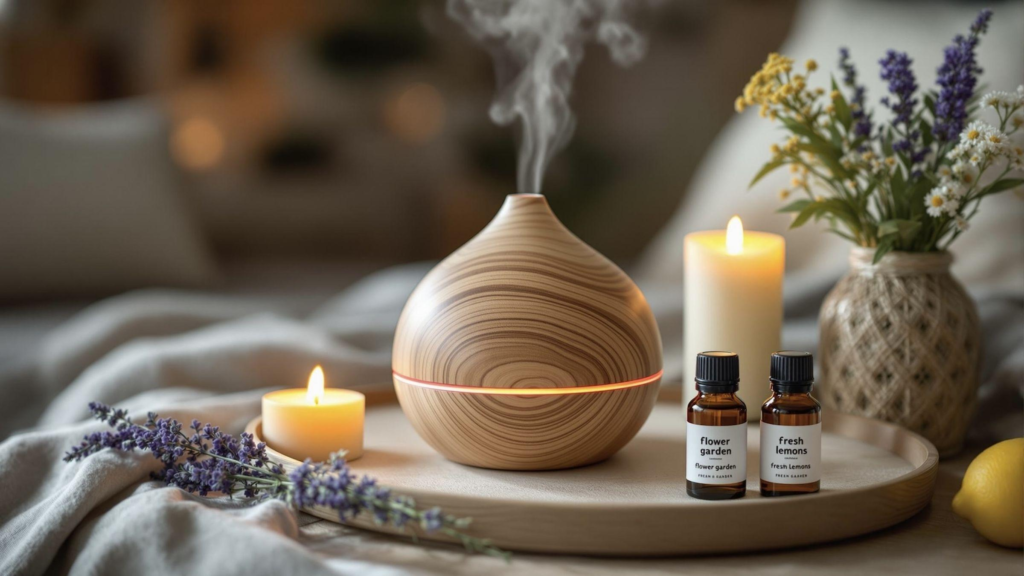
Aromatherapy is a wellness practice that uses essential oils extracted from plants, flowers, leaves, and other natural materials. These concentrated oils are used in different ways, including through diffusion, carefully diluted massage oils, or adding fragrance to a relaxing environment.
The idea is simple: scent can influence how a place feels and may affect your mood or emotional response. A familiar fragrance might remind you of a peaceful holiday, a garden, or a comforting moment at home.
Aromatherapy is commonly used to support:
- Relaxation after a busy day.
- A calming atmosphere before bedtime.
- Mindful breathing and meditation.
- A more enjoyable bath or self-care routine.
- A peaceful environment for reading, yoga, or gentle stretching.
It is important to remember that aromatherapy supports relaxation rather than treating the underlying causes of anxiety or other health conditions. Research on its benefits varies depending on the oil, method, and individual.
Best Essential Oils for Relaxation and Stress Relief
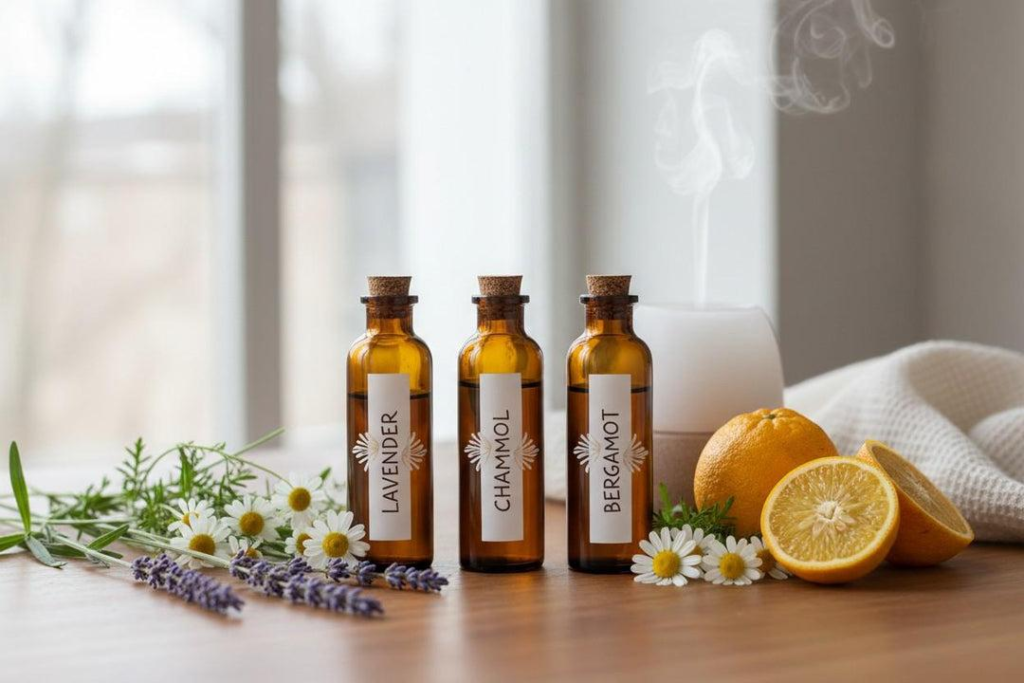
Not every scent feels the same to everyone. One person may find floral fragrances soothing, while another may prefer fresh citrus or gentle herbal aromas. The best choice is the one you enjoy and can use safely.
1. Lavender Essential Oil
Lavender is one of the most popular choices for relaxation. Its soft floral scent is often used in evening routines and calming spaces.
Why people choose it:
- Creates a soothing atmosphere.
- May help some people feel more relaxed before sleep.
- Works well with quiet breathing or meditation.
- Pairs easily with a warm, peaceful bedtime environment.
How to use it: Try a diffuser according to the manufacturer’s instructions, or use a properly diluted product designed for skin application.
2. Chamomile Essential Oil
Chamomile has a gentle, herbal-floral aroma that many people associate with comfort and winding down.
Why people choose it:
- Adds a soft, comforting scent to a room.
- Fits naturally into a quiet evening routine.
- Can complement gentle stretching or mindfulness.
Chamomile essential oil is different from chamomile tea, and neither should be treated as a guaranteed solution for stress.
3. Bergamot Essential Oil
Bergamot has a fresh, citrusy fragrance. It can be a good option if heavy floral scents feel too strong.
Why people choose it:
- Gives a room a fresh, uplifting atmosphere.
- Can make a self-care routine feel refreshing.
- Works well during a quiet morning or afternoon break.
Safety note: Some bergamot oils can increase skin sensitivity to sunlight. Avoid applying them to exposed skin unless the product is specifically formulated to be non-phototoxic and the label confirms safe use.
4. Sweet Orange Essential Oil
Sweet orange has a bright, fruity scent that many people find cheerful and inviting.
Why people choose it:
- Makes a living room feel fresh and welcoming.
- Is a popular choice for daytime aromatherapy.
- Can add a pleasant touch to a short relaxation break.
5. Frankincense Essential Oil
Frankincense has a warm, woody aroma often associated with meditation and quiet reflection.
Why people choose it:
- Complements a slow breathing practice.
- Creates a peaceful atmosphere for yoga or meditation.
- May suit people who prefer earthy scents over sweet fragrances.
There is no single essential oil that works best for everyone. Start with one fragrance, notice how you respond, and avoid using scents that cause discomfort.
Simple Ways to Use Aromatherapy in Your Daily Routine
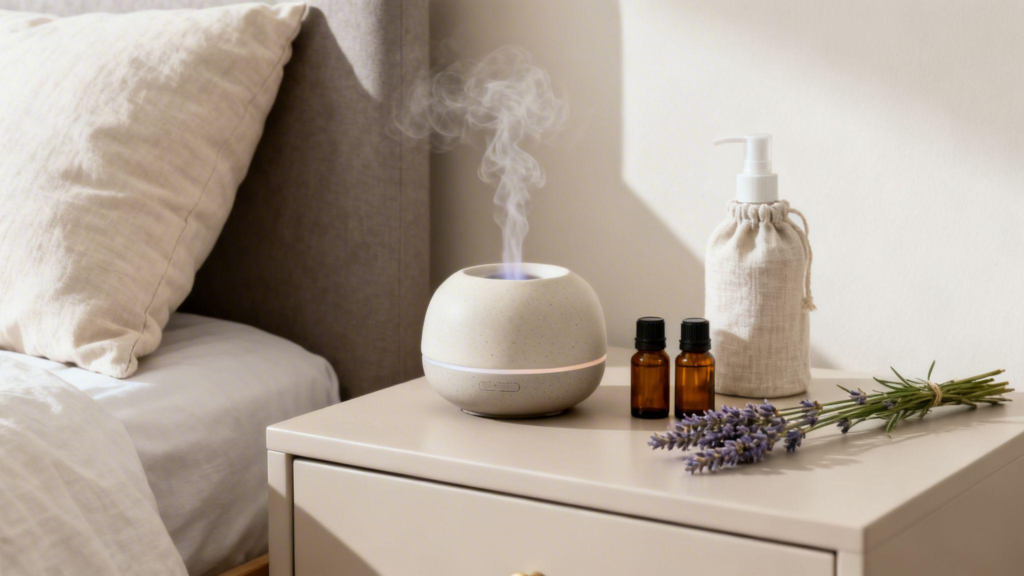
You do not need an expensive spa setup or a shelf full of essential oils to enjoy aromatherapy. A few thoughtful changes can help you build a routine that feels natural rather than like another task on your to-do list.
1. Use an Essential Oil Diffuser
An essential oil diffuser spreads fragrance into the air, making it one of the easiest ways to introduce aromatherapy into your home.
How to use it:
- Place the diffuser in a well-ventilated room.
- Follow the device instructions for the correct amount of oil and water.
- Start with a short session rather than diffusing continuously.
- Turn it off if the scent becomes too strong or causes discomfort.
A diffuser can be useful while reading, journaling, stretching, or taking a quiet break after work. If you live with children, pets, or anyone with asthma or fragrance sensitivity, check whether the oils are safe for them before using a diffuser.
2. Pair Aromatherapy With Deep Breathing
Sometimes, the simplest self-care habit is to stop for a moment and breathe. Adding a gentle fragrance may help you create a familiar signal that it is time to slow down.
Try this simple practice:
- Sit comfortably in a quiet place.
- Relax your shoulders and unclench your jaw.
- Breathe in slowly through your nose, if comfortable.
- Breathe out gently without forcing it.
- Repeat for two to five minutes.
You can use a lightly scented room or simply practise breathing without fragrance. The goal is to give yourself a short break, not to force yourself to feel relaxed immediately.
3. Create a Relaxing Evening Routine
If your mind keeps replaying the day’s unfinished tasks when you get into bed, a consistent evening routine may help you transition towards rest.
You could try the following:
- Dim the lights about 30 minutes before bed.
- Put your phone away or reduce screen time.
- Use a gentle lavender fragrance if you enjoy it and tolerate it well.
- Read a few pages of a book or write down tomorrow’s priorities.
- Keep your bedtime and wake-up time reasonably consistent.
Aromatherapy may make the environment more inviting, but it is not a guaranteed treatment for insomnia. If sleep problems continue, consider speaking with a healthcare professional.
4. Add Aromatherapy to a Bath
A warm bath can be a lovely way to unwind after a long day. However, essential oils do not mix evenly with water, so adding undiluted drops directly to bathwater can expose your skin to concentrated oil.
For a safer experience, choose a bath product specifically formulated with essential oils and follow its directions. If you have sensitive skin, avoid experimenting with homemade mixtures that have not been properly formulated.
You can also enjoy a warm bath without essential oils. Soft lighting, comfortable water temperature, and a little time away from your phone can be enough to make it feel restorative.
5. Try a Gentle Massage
Massage combines touch with relaxation, and some people enjoy adding a pleasant fragrance to the experience.
If you choose an essential oil massage product:
- Use a product specifically designed for skin application.
- Dilute essential oils in an appropriate carrier oil according to product directions.
- Patch-test the finished product on a small area of skin.
- Avoid broken, irritated, or sensitive skin.
- Stop immediately if you experience burning, itching, or redness.
Massage may help ease the feeling of muscle tension and provide a relaxing pause in your day. You do not need to use essential oils to enjoy those benefits.
Which Aromatherapy Method Should You Choose?
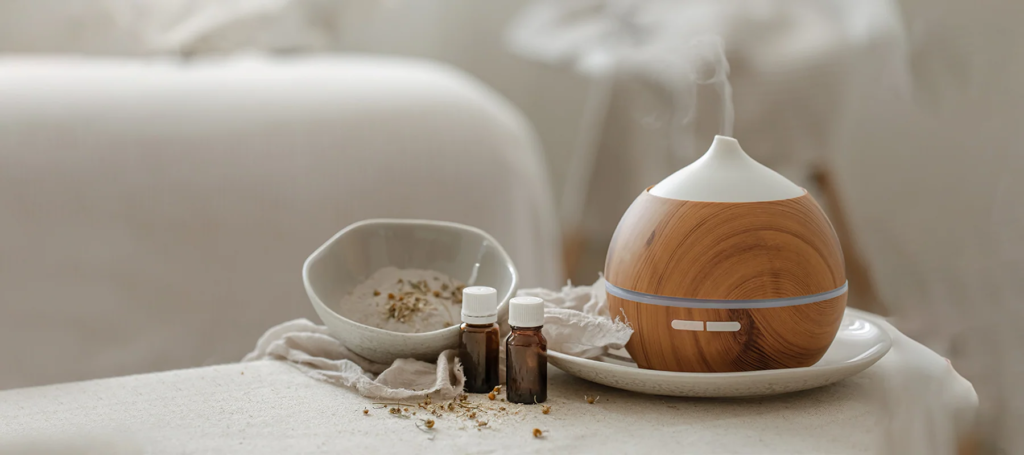
Different methods suit different situations. Use this table to find a simple starting point.
| Aromatherapy method | Best suited for | Important consideration |
| Essential oil diffuser | Creating a calming room atmosphere | Ventilate the room and avoid prolonged exposure |
| Gentle fragrance during breathing | Mindfulness and short breaks | Stop if the scent irritates you |
| Properly formulated massage oil | A relaxing massage routine | Follow dilution instructions |
| Aromatherapy bath product | An occasional self-care bath | Avoid putting undiluted oils directly in bathwater |
| Scented bedtime routine | Creating a consistent wind-down habit | Keep the bedroom fragrance-free if it affects sleep or breathing |
How to Build a Simple Aromatherapy Routine
The easiest routine is one you can actually maintain. You do not need to use aromatherapy every day or try every essential oil at once.
Morning: Start gently
Open a window if the air quality allows, stretch for a few minutes, and choose a fresh fragrance only if it helps you enjoy the start of your day.
Afternoon: Take a reset break
Step away from your screen, relax your shoulders, and take a few slow breaths. You can use a mild fragrance in a suitable space if you tolerate it well.
Evening: Wind down
Lower the lights, read something enjoyable, and prepare for bed. A familiar, gentle scent can become part of your wind-down routine.
Treat this as inspiration rather than a strict schedule. On some days, five quiet minutes may be all you can manage, and that is perfectly fine.
Essential Oil Safety: What You Should Know
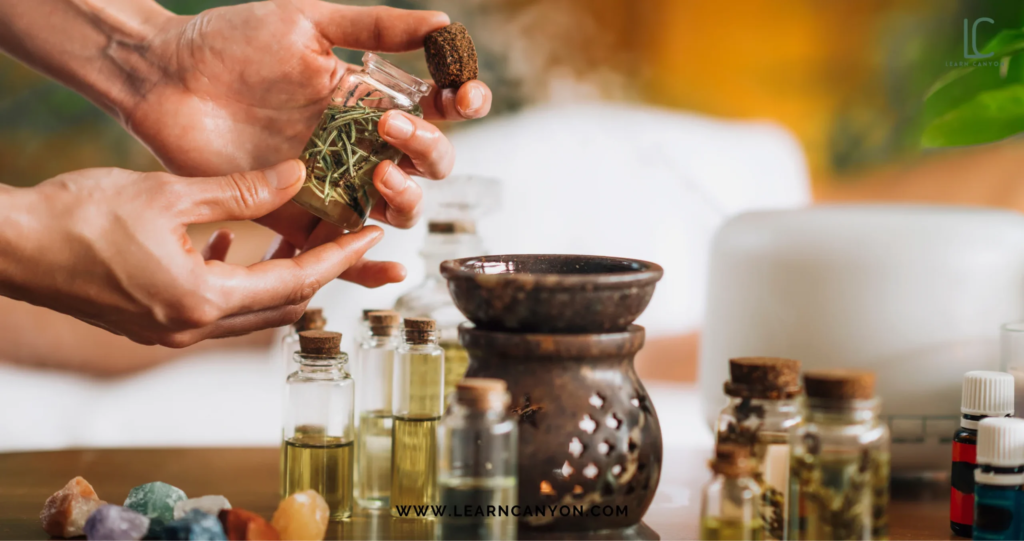
Essential oils are concentrated substances. Natural does not automatically mean harmless, and using more oil does not necessarily make aromatherapy more effective.
Keep these safety tips in mind:
- Do not swallow essential oils unless specifically directed by a qualified healthcare professional using an appropriate product.
- Never apply undiluted essential oils to your skin unless a product is explicitly formulated for direct application.
- Keep oils away from your eyes, mouth, and other sensitive areas.
- Store bottles securely, away from children and pets.
- Check with a healthcare professional before use during pregnancy, while breastfeeding, or if you have a medical condition or take medication.
- Be particularly careful around babies, young children, people with asthma, and anyone sensitive to fragrances.
- Stop using a product if it causes headaches, coughing, breathing difficulties, dizziness, or skin irritation.
Some essential oils can be toxic to pets, particularly cats and birds. Do not assume that an oil is safe simply because it is plant-derived. Check with a veterinarian before using essential oils in a home with animals.
If you experience severe breathing difficulty or a serious allergic reaction, seek urgent medical care.
Common Aromatherapy Mistakes to Avoid
Aromatherapy should make your self-care routine more comfortable, not create new problems. A few common mistakes are easy to avoid.
Using too much oil: Stronger fragrance is not always better. Begin with the lowest amount recommended by the product instructions.
Mixing several oils immediately: Start with one scent so you can tell whether you enjoy it and whether it causes any unwanted reaction.
Expecting instant stress relief: Some people find certain fragrances relaxing, while others notice little difference. Give yourself time to find what works for you.
Ignoring ventilation: A fragrance that seems pleasant at first can become overwhelming in a small, closed room.
Using aromatherapy instead of necessary care: Persistent anxiety, ongoing sleep difficulties, or stress that interferes with everyday life may need professional support. Aromatherapy should complement appropriate care, not replace it.
Make Relaxation a Part of Everyday Life
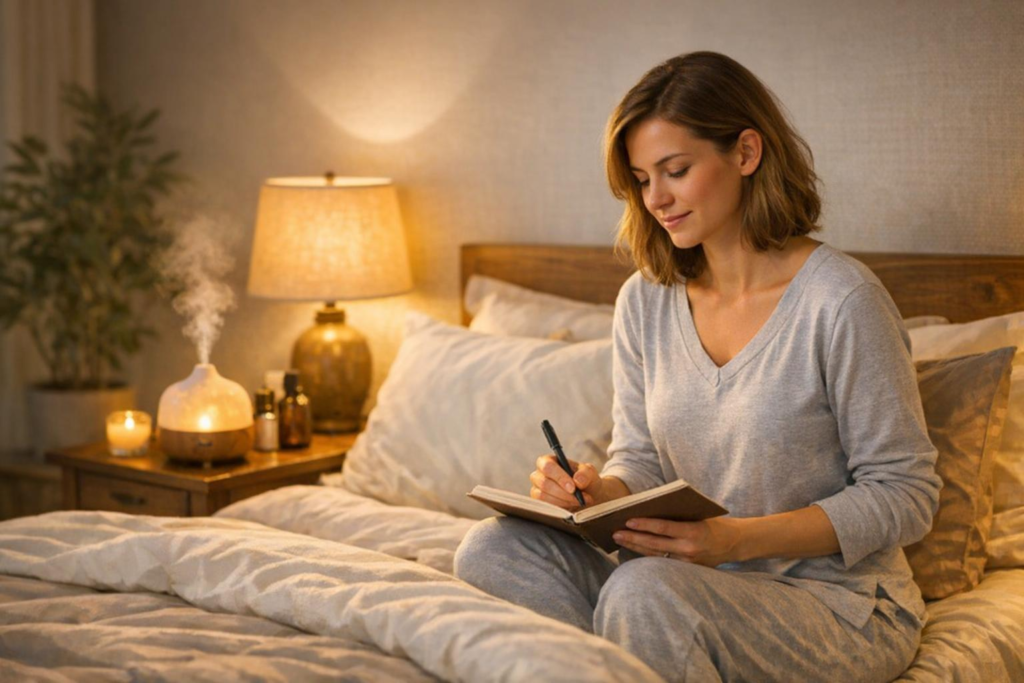
You do not need to change your entire lifestyle to make more room for relaxation. Sometimes, it begins with putting your phone aside, taking a few deep breaths, or creating a comfortable corner where you can pause without feeling rushed.
Aromatherapy can be one small part of that process. Choose a scent you genuinely enjoy, use it safely, and combine it with habits that support your well-being. Most importantly, do not put pressure on yourself to feel calm all the time.
A little time to slow down is worthwhile, even on your busiest days.
Frequently Asked Questions
1. Which essential oil is best for relaxation?
Lavender is a popular option for relaxation, while chamomile and bergamot are other choices. Individual preferences and responses vary.
2. Can aromatherapy help with stress?
Aromatherapy may help some people feel calmer, especially when paired with breathing exercises or a relaxing routine. It is not a substitute for professional mental health care.
3. How often can you use aromatherapy?
Frequency depends on the oil, method, product instructions, and your sensitivity. Start with short sessions and stop if you notice irritation or discomfort.
4. Can essential oils be applied directly to the skin?
Many essential oils need dilution before skin application. Use products formulated for topical use and follow their instructions to reduce the risk of irritation.
5. Is aromatherapy suitable for everyone?
No. Fragrances can trigger reactions in some people, and certain oils may be unsafe for children, pets, or people with specific health conditions. Check safety guidance before use.
The ExploreSmartly team
Written and checked by the people who run ExploreSmartly.