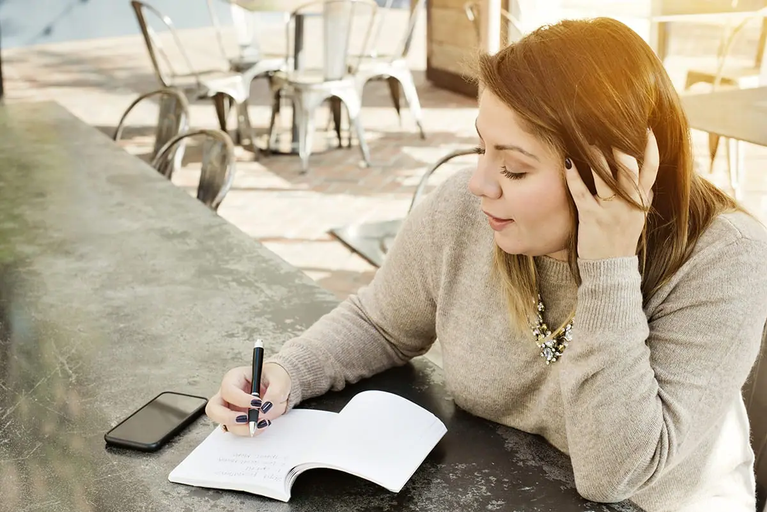
A happy and balanced life does not happen overnight. It is built through small choices, everyday habits, and the way we treat ourselves and the people around us. From maintaining a healthy routine to making time Lifestyle for hobbies, relationships, and personal growth, the little things we do each day can have a meaningful impact on how we feel.
Modern life can be busy. Work responsibilities, family commitments, financial pressures, social expectations, and constant notifications can leave us feeling as though there is never enough time to slow down. Sometimes, even when everything seems to be going well, it can be difficult to find a comfortable balance between what we need to do and what we genuinely enjoy.
The good news is that living a balanced life does not require a complete lifestyle makeover. You do not need an expensive fitness membership, a perfect morning routine, or a carefully planned schedule to start making positive changes. Often, the most effective approach is to understand what matters to you, recognise where your time and energy go, and make realistic adjustments that fit your everyday life.
Whether you want to feel more organised, improve your daily habits, spend quality time with loved ones, or simply enjoy your days a little more, developing a thoughtful lifestyle can help you move towards a happier and more fulfilling life.
Understanding What a Balanced Lifestyle Really Means
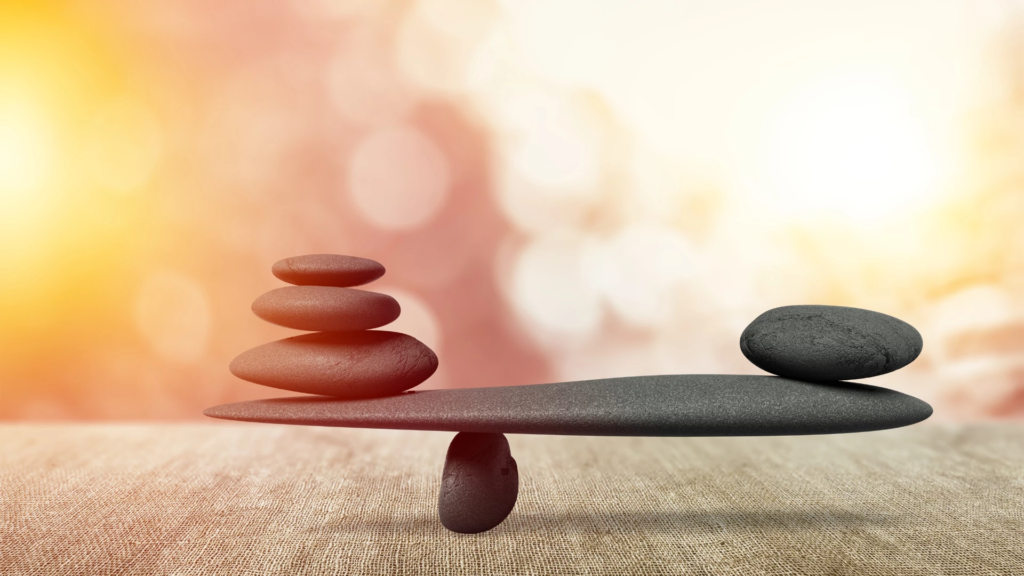
A balanced lifestyle looks different for everyone. For one person, it might mean having enough energy to manage work and family responsibilities. For another, it could mean finding time for exercise, pursuing a personal interest, or learning to disconnect from work after office hours.
There is no single formula that works for every individual. Your priorities may change as you grow older, change jobs, move to a new place, or take on different responsibilities. What feels balanced during one stage of life may need adjusting later.
The key is to create a routine that supports your physical health, emotional well-being, relationships, responsibilities, and personal interests without making every day feel like a competition to achieve more.
A balanced lifestyle does not mean every part of your life receives exactly the same amount of attention. Some weeks will naturally be more demanding than others. The goal is to recognise what needs your attention now while making sure that important parts of your life are not continually neglected.
Start by asking yourself a few simple questions. Are you getting enough rest? Do you have time for people who matter to you? Are your daily responsibilities manageable? Do you regularly do something that makes you feel relaxed or happy?
Your answers can help you identify small changes that may improve your everyday experience.
Build Healthy Daily Habits That Actually Last
Healthy habits are easier to maintain when they fit naturally into your routine. Many people begin with ambitious plans, such as waking up extremely early, exercising every day, preparing every meal at home, and avoiding all distractions. Although these goals may sound motivating, trying to change everything at once can become exhausting.
A more practical approach is to start small. If you want to become more active, begin with a short daily walk. If you want to read more, spend ten minutes with a book before bed. If you want to feel more organised, prepare a simple list of priorities each morning.
These actions may seem ordinary, but repeating them can gradually make them part of your lifestyle.
| Daily Habit | Simple Way to Start | Potential Benefit |
|---|---|---|
| Morning planning | Write down three priorities | Helps organise the day |
| Physical activity | Take a short walk | Supports movement and energy |
| Reading | Read a few pages daily | Encourages learning and focus |
| Hydration | Keep water nearby | Makes drinking water more convenient |
| Evening reflection | Review your day briefly | Helps recognise progress and challenges |
It is also important to remember that missing a habit occasionally does not mean you have failed. Life is unpredictable, and routines sometimes need to change. Instead of abandoning your plans after one difficult day, return to them when you can.
Consistency is not about doing everything perfectly. It is about creating habits that remain realistic even when life becomes busy.
Make Physical Health a Part of Everyday Life
Looking after your physical health is an important part of a balanced lifestyle. You do not need to follow a complicated wellness routine to begin taking better care of yourself. Regular movement, balanced meals, sufficient sleep, and appropriate medical care all contribute to overall well-being.
Physical activity can fit into many parts of the day. You might walk during a break, take the stairs when practical, stretch after sitting for a long time, dance to your favourite music, or participate in a sport you enjoy. The best activity is often one that feels manageable and suits your abilities.
Food matters, too. Instead of focusing on strict rules or short-term diets, aim for meals that provide a variety of nutrients. Fruits, vegetables, whole grains, protein-rich foods, and healthy sources of fat can all play a role in a varied eating pattern. Your needs may differ depending on your health, culture, preferences, and circumstances.
Rest is equally important. When you regularly sacrifice sleep to finish tasks or spend more time on screens, you may find it harder to concentrate and manage everyday demands.
| Area of Physical Well-Being | Practical Lifestyle Choice | Everyday Reminder |
|---|---|---|
| Movement | Walk, stretch, or exercise regularly | Choose activities you enjoy |
| Nutrition | Eat varied, balanced meals | Avoid unnecessary food restrictions |
| Hydration | Drink water throughout the day | Adjust intake to your needs and conditions |
| Sleep | Maintain a reasonably consistent sleep routine | Give yourself time to wind down |
| Preventive care | Attend appropriate health check-ups | Seek professional advice when needed |
Healthy living should support your life rather than make it feel restrictive. Focus on gradual improvements that you can maintain comfortably.
Protect Your Mental and Emotional Well-Being
A balanced lifestyle is not only about what you do physically. It also involves understanding your emotions, managing everyday pressures, and recognising when you need rest or support.
People often feel pressure to appear productive, positive, and capable all the time. However, everyone experiences difficult days. Feeling frustrated, disappointed, worried, or tired does not mean you are doing something wrong.
Give yourself permission to acknowledge how you feel without immediately judging yourself. Sometimes, talking with someone you trust can help you see a situation more clearly. At other times, a quiet break, a walk, journaling, or spending time away from a stressful environment may help you collect your thoughts.
You can also practise setting realistic expectations. Not every task needs to be completed immediately, and not every problem can be solved in a single day. Learning to distinguish between what requires urgent attention and what can wait may reduce unnecessary pressure.
If emotional difficulties persist, interfere with everyday functioning, or feel overwhelming, consider seeking support from a qualified mental health professional. Asking for help is a practical step towards taking care of yourself.
Create a Morning Routine That Works for You
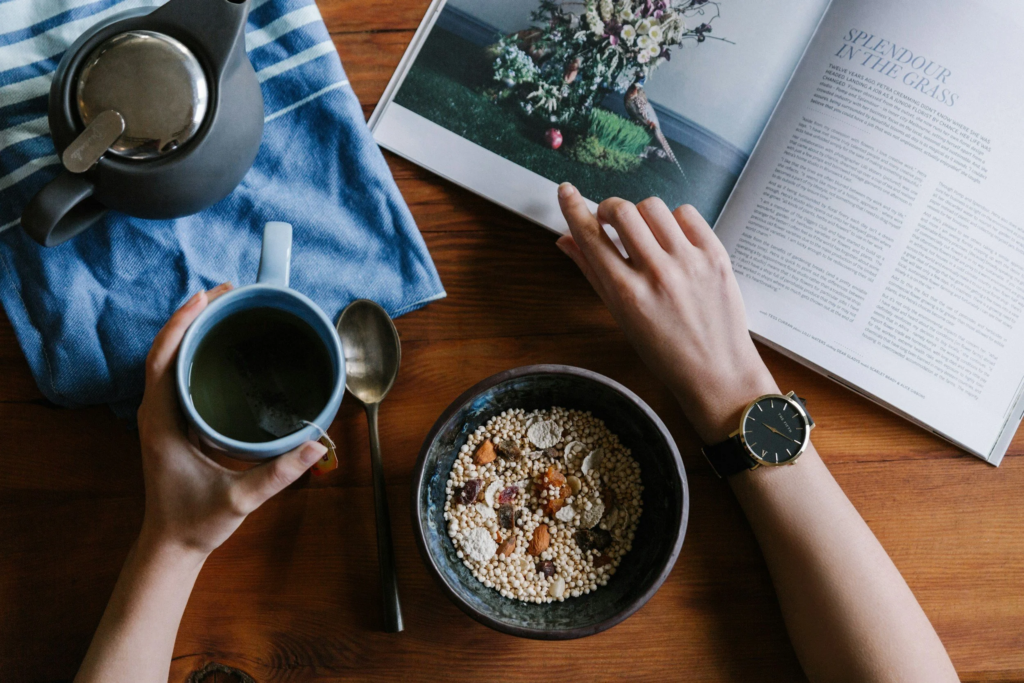
The way you begin your morning can influence how prepared you feel for the rest of the day. However, there is no need to copy an elaborate routine from social media. A useful morning routine should fit your schedule, energy levels, and responsibilities.
Some people enjoy waking up early and exercising before work. Others need a slower start, especially when they have family responsibilities or long working hours. Both approaches can work if they help you begin the day comfortably.
Try preparing a few things the night before. Choosing your clothes, organising your bag, or deciding what you need to accomplish can reduce morning decisions. When you wake up, give yourself enough time to get ready without feeling unnecessarily rushed.
You might also spend a few minutes opening the windows, drinking water, stretching, or enjoying breakfast without immediately checking your phone.
The purpose of a morning routine is not to make every minute productive. It is to create a calmer transition from rest to the responsibilities ahead.
Learn to Manage Your Time Without Feeling Overwhelmed
Time management is often treated as a productivity challenge, but it is also an important part of maintaining balance. When your schedule is crowded with tasks, appointments, and obligations, personal time can easily disappear.
One helpful strategy is to identify the few tasks that genuinely matter each day. Rather than creating a long list that is difficult to finish, choose two or three important priorities and organise the rest around them.
You can also group similar tasks together. For example, responding to messages at planned times may be easier than checking them every few minutes. Preparing meals in advance or setting aside a specific time for household tasks can also reduce repeated decision-making.
Remember to include breaks in your schedule. A plan that leaves no room for rest, delays, or unexpected responsibilities is unlikely to remain practical for long.
| Time Management Challenge | A Helpful Strategy | Why It Can Work |
|---|---|---|
| Too many daily tasks | Select a few key priorities | Makes the workload clearer |
| Frequent distractions | Set specific times to check messages | Reduces interruptions |
| Household responsibilities | Create a simple weekly plan | Makes tasks easier to organise |
| Feeling constantly busy | Schedule short breaks | Creates room to recharge |
| Difficulty switching off | Set a reasonable end to the workday | Helps protect personal time |
Good time management is not about filling every available hour. It is about making room for what matters, including the activities that help you feel rested and connected.
Maintain Healthy Relationships With Family and Friends

You do not need to organise elaborate gatherings to stay connected. A thoughtful message, a phone call, a shared meal, or a short conversation can help maintain meaningful relationships. Small gestures often matter because they show people that you are thinking about them.
Relationships can bring joy, encouragement, comfort, and a sense of belonging. However, maintaining them takes time and attention, particularly when work and other responsibilities become demanding.
Listening is just as important as speaking. When someone shares a concern, try to understand their perspective before offering advice. Giving people your attention, even for a short period, can make conversations feel more genuine.
Healthy relationships also require boundaries. You can care about someone without agreeing to every request or taking responsibility for every problem they experience. Learning to communicate honestly and respectfully helps protect both your relationships and your personal well-being.
It is also worth remembering that the quality of your relationships matters more than the number of people in your social circle. A few supportive connections can be deeply valuable.
Make time for the people who help you feel respected, understood, and comfortable being yourself.
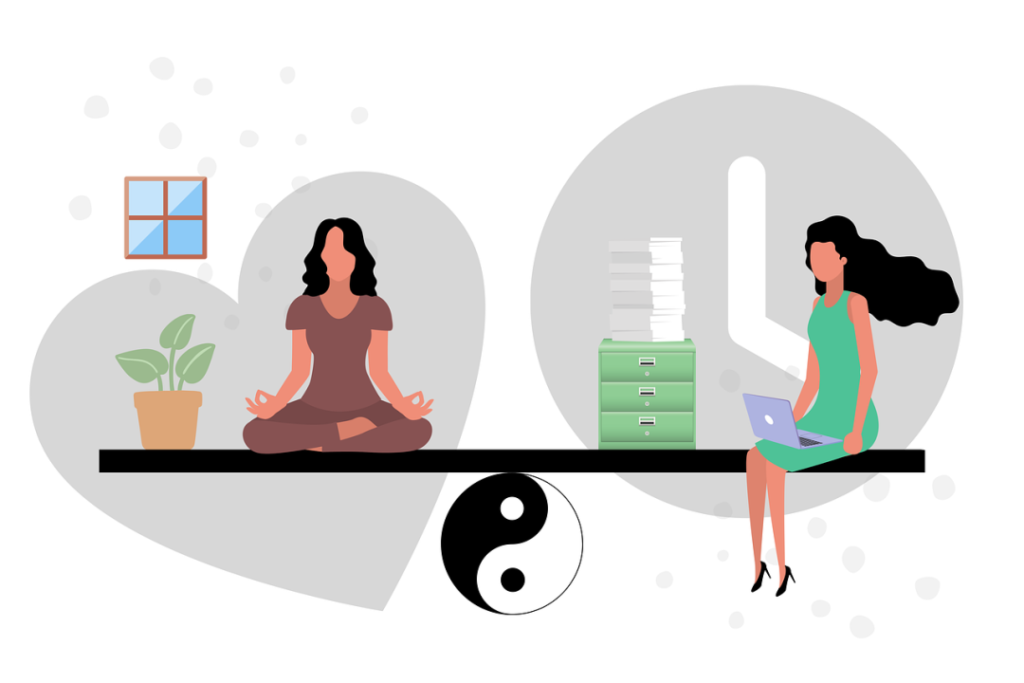
Find a Healthy Balance Between Work and Personal Life
Work can provide financial security, professional growth, and a sense of achievement. However, when work consistently takes up your evenings, weekends, and mental energy, other areas of life may begin to suffer.
Creating a healthier work-life balance starts with understanding your limits. If possible, establish a regular time to finish work, take proper breaks, and avoid checking work-related messages during personal time unless your role requires availability.
A clear end-of-day routine can help you mentally transition away from professional responsibilities. You might write down unfinished tasks for the next morning, tidy your workspace, or take a short walk after work.
It is also helpful to be realistic about what you can accomplish. Saying yes to every request may seem like a way to demonstrate commitment, but it can leave you with little energy for your own needs.
When your workload becomes unmanageable, consider discussing priorities, deadlines, or available support with your manager or colleagues where appropriate.
A fulfilling life includes more than professional achievements. Your relationships, interests, health, and time to relax deserve attention, too.
Make Time for Hobbies and Personal Interests
However, hobbies can provide a valuable break from routine. They give you something to look forward to and create opportunities to explore interests without focusing on productivity or achievement.

When life becomes busy, hobbies are often the first things people give up. Activities that once brought happiness can start to feel unnecessary compared with work, errands, and other responsibilities.
Your hobby does not need to be expensive or impressive. Reading, gardening, painting, cooking, photography, listening to music, playing a sport, or learning a language can all provide enjoyable ways to spend your free time.
If you are unsure what you enjoy, experiment with different activities. Visit a library, try a simple craft project, explore a local walking route, or learn a new skill through free resources.
You may find that your interests change over time. That is perfectly normal. The goal is not to become exceptionally good at every hobby but to make space for activities that bring enjoyment, curiosity, or relaxation.
Treat personal interests as a meaningful part of your lifestyle rather than something you can only enjoy after every other task is finished.
Reduce Screen Time and Build Better Digital Habits
Phones, computers, and other digital devices make daily life more convenient. They help us communicate, work, learn, shop, and stay informed. At the same time, constant notifications and endless scrolling can take attention away from activities happening around us.
You do not need to avoid technology completely to develop healthier digital habits. Instead, become more intentional about how and when you use it.
For example, you might avoid checking your phone during meals, silence non-essential notifications, or set aside specific periods for social media. Keeping your phone away from your bed may also make it easier to establish a relaxing evening routine.
Pay attention to how different online activities affect your mood. Some help you learn, connect, or feel inspired, while others may leave you feeling distracted or dissatisfied. Adjust your habits according to your own experience.
| Digital Habit | Small Change to Try | Possible Advantage |
|---|---|---|
| Morning scrolling | Delay checking social media | Creates a calmer start |
| Constant notifications | Disable non-essential alerts | Reduces interruptions |
| Phone use during meals | Keep devices aside | Encourages conversation |
| Late-night screen use | Establish a wind-down period | Supports a relaxing bedtime routine |
| Endless browsing | Choose a specific purpose before opening an app | Encourages more intentional use |
Technology should serve your needs rather than control your attention. Even small boundaries can help you become more present in your everyday life.
Keep Your Home and Surroundings Comfortable
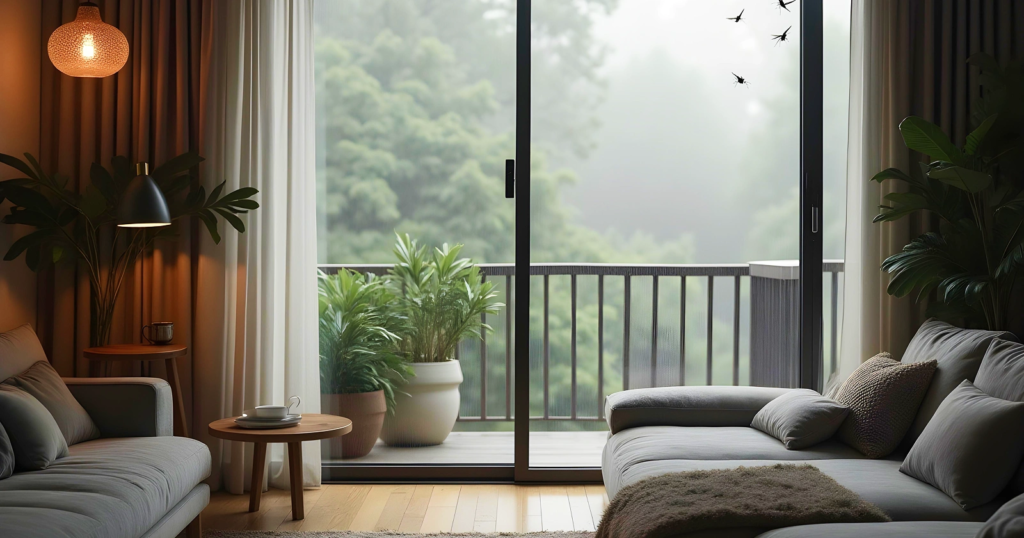
Your surroundings can influence how you feel and how easily you manage daily tasks. A comfortable, organised environment can make everyday routines feel less stressful, while a cluttered space may sometimes add to the feeling of having too much to do.
You do not need a perfectly decorated home to create a pleasant environment. Start with small areas that you use frequently, such as your desk, bedside table, kitchen counter, or wardrobe.
Spend a few minutes returning items to their proper places, clearing unnecessary clutter, and preparing what you need for the next day. These small actions can make your space easier to use without requiring an entire weekend of cleaning.
Natural light, fresh air where practical, comfortable seating, and a few personal touches can also make a room feel more welcoming.
If you share your home with others, try to establish simple routines for household responsibilities. Dividing tasks fairly can prevent one person from carrying the entire workload.
A comfortable environment is not about achieving perfection. It is about making your home a place where you can function, relax, and feel at ease.
FAQ’S
1. What are the best lifestyle habits for a happier life?
The best lifestyle habits include getting enough sleep, eating balanced meals, staying physically active, maintaining meaningful relationships, managing stress, and making time for activities you enjoy. Small, consistent changes can help improve your overall well-being.
2. How can I create a more balanced lifestyle?
Start by reviewing your daily routine and identifying areas that need more attention. Set realistic priorities, make time for rest, maintain healthy boundaries between work and personal life, and include activities that support your physical and emotional well-being.
3. Why is a healthy lifestyle important?
A healthy lifestyle supports physical health, emotional well-being, energy levels, and everyday functioning. Healthy habits can also help you manage stress, maintain social connections, and develop routines that support long-term well-being.
4. How can I improve my daily routine?
You can improve your daily routine by planning your main priorities, waking up at a suitable time, eating regular balanced meals, including physical activity, and creating a relaxing evening routine. Start with a few manageable changes rather than trying to change everything at once.
5. How can I maintain a healthy work-life balance?
Set reasonable work hours, take regular breaks, organise tasks according to priority, and protect time for family, friends, hobbies, and rest. When possible, avoid allowing work responsibilities to occupy all your personal time.
The ExploreSmartly team
Written and checked by the people who run ExploreSmartly.