

Living a healthy Lifestyle is about much more than following a strict diet, exercising every day, or trying to maintain a perfect routine. It is about making everyday choices that help you feel better physically, think more clearly, manage stress, and enjoy the life you are building. Sometimes, the smallest changes can make the biggest difference. Getting enough sleep, drinking water regularly, spending time outdoors, eating nourishing meals, and making room for the people you love can all contribute to a healthier lifestyle.
Modern life can make healthy living feel more difficult than it needs to be. Work deadlines, household responsibilities, financial concerns, and constant digital distractions often leave little time for personal well-being. Many people know what they would like to improve but struggle to find a realistic way to fit healthier habits into their daily routines.
The good news is that you do not need to change everything overnight. A healthy lifestyle can begin with one simple decision, such as taking a short walk, preparing a balanced meal, or going to bed a little earlier. As these habits become more familiar, you can gradually build a routine that supports your physical health, emotional well-being, and personal goals.
Whether you want to feel more energetic, improve your daily routine, take better care of your mental health, or create a healthier balance between work and personal life, these practical lifestyle tips can help you get started.
Understanding What a Healthy Lifestyle Really Means

A healthy lifestyle is not the same for everyone. Your daily routine depends on your age, responsibilities, personal preferences, environment, and individual needs. Someone who works at a desk all day may need to focus on movement and breaks, while someone with a physically demanding job may need more attention to recovery and rest.
The goal is not to follow someone else’s routine perfectly. It is to understand what helps you feel well and make choices that support your health over time.
A healthy lifestyle generally includes several connected areas: nutritious food, regular physical activity, sufficient sleep, emotional well-being, supportive relationships, and habits that reduce avoidable health risks. These areas influence one another. For example, poor sleep can make it harder to stay active, while regular movement may support better sleep and mood.
It is also important to understand that healthy living does not mean avoiding every treat, never feeling stressed, or being productive every day. There will always be times when routines change. You may have a busy week, travel away from home, or need extra time to recover from a demanding period.
What matters is your overall pattern of habits rather than one imperfect day. A flexible approach makes healthy living more realistic and easier to maintain.
Start Your Day with Simple and Healthy Habits
The beginning of your day can influence how prepared you feel for the hours ahead. A rushed morning may leave you feeling distracted, while a simple routine can help you approach your responsibilities more calmly.
You do not need to wake up at an unusually early hour or follow a complicated morning ritual. Start with habits that fit your schedule. Give yourself enough time to get ready, drink water when you are thirsty, eat breakfast if it suits your needs, and decide which tasks deserve your attention first.
If possible, avoid reaching for your phone immediately after waking up. Checking messages, emails, and social media before you have fully started your day can make your attention feel scattered. A few quiet minutes may help you begin with a clearer sense of direction.
You could also include gentle stretching, a short walk, or a moment of reflection. These activities do not need to take long to become useful parts of your routine.
| Morning Habit | How to Practise It | Why It May Help |
|---|---|---|
| Drink water | Keep water accessible in the morning | Supports normal hydration |
| Plan your day | Choose two or three priorities | Helps organise daily tasks |
| Move your body | Stretch or take a short walk | Breaks up sedentary time |
| Eat a balanced breakfast | Choose foods that suit your needs | Can provide energy and nutrients |
| Reduce early distractions | Delay non-essential phone use | Creates space for a calmer start |
The best morning routine is one you can follow without feeling pressured. Even two or three helpful habits can give your day a more organised beginning.
Eat Balanced Meals to Nourish Your Body

Food provides the energy and nutrients your body needs to function. What you eat can also influence how satisfied you feel throughout the day, which is why developing a balanced and varied eating pattern is an important part of healthy living.
Instead of following every diet trend, focus on including different food groups in your meals. Vegetables, fruits, whole grains, protein-rich foods, and suitable sources of healthy fats can all contribute to a varied diet. The exact balance depends on your personal needs, food preferences, culture, budget, and health circumstances.
For example, a meal might include rice or whole-grain roti, vegetables, dal or another protein source, and curd if it suits your diet. Another option could be a bowl containing grains, vegetables, beans, and seeds. Healthy eating does not have to mean expensive ingredients or complicated recipes.
Planning a few meals in advance can make nutritious choices easier when you are busy. Keeping simple ingredients available at home may also reduce the temptation to rely on convenience foods for every meal.
It is equally important to avoid unnecessary food guilt. Enjoying your favourite foods can fit into a balanced eating pattern. You do not have to label every food as either completely healthy or completely unhealthy.
| Food Group | Examples | Role in a Balanced Diet |
|---|---|---|
| Fruits and vegetables | Apples, bananas, spinach, carrots | Provide vitamins, minerals, and fibre |
| Whole grains | Oats, brown rice, whole-wheat roti | Supply energy and fibre |
| Protein-rich foods | Lentils, beans, eggs, tofu, fish | Support growth and tissue maintenance |
| Dairy or suitable alternatives | Milk, curd, fortified alternatives | Can provide protein and calcium |
| Sources of healthy fats | Nuts, seeds, selected plant oils | Supply essential fats and energy |
Healthy eating should be practical, enjoyable, and appropriate for your circumstances. If you have a medical condition or specific nutritional requirements, a qualified healthcare professional or registered dietitian can help you choose a suitable eating plan.
Stay Physically Active in a Way You Enjoy
Exercise is often associated with gyms, expensive memberships, and demanding workout plans. In reality, physical activity can take many forms. Walking, dancing, cycling, swimming, gardening, playing a sport, or following a home workout can all help you move more.
The most useful activity is one that suits your abilities and fits into your routine. If you spend much of the day sitting, start by standing up regularly and taking short movement breaks. You could walk for ten minutes during a break or choose a route that allows you to walk part of your daily journey.
As your comfort and fitness improve, you can gradually increase the duration or intensity of your activity. Avoid pushing yourself too hard at the beginning, particularly if you have been inactive for a long time.
For most adults, general public health guidance recommends at least 150 minutes of moderate-intensity aerobic activity each week, along with muscle-strengthening activities on two or more days. However, some activity is better than none, and the appropriate level depends on your health and abilities.
| Physical Activity | Easy Way to Include It | Suitable For |
|---|---|---|
| Walking | Walk during a break or after a meal | Many beginners and everyday routines |
| Stretching | Take short movement breaks | Improving flexibility and comfort |
| Cycling | Cycle for transport or recreation | People who enjoy outdoor activity |
| Dancing | Dance to music at home | Those who prefer enjoyable movement |
| Strength exercises | Use suitable body-weight movements or weights | Building and maintaining strength |
Physical activity should help you feel stronger and more capable, not make you feel that you are constantly falling behind. Choose a starting point that feels manageable and build gradually.
Give Your Mental Health the Attention It Deserves

Mental well-being is an essential part of a healthy lifestyle. You can follow a balanced diet and maintain an exercise routine, but if you are constantly overwhelmed, emotionally exhausted, or unable to rest, your overall well-being may still suffer.
Everyday life brings challenges. Work pressures, personal responsibilities, uncertainty, and relationship difficulties can all affect how you feel. It is normal to experience different emotions, and you do not need to pretend that everything is fine when it is not.
One useful habit is to check in with yourself regularly. Ask whether you feel tired, stressed, frustrated, or in need of support. Recognising what you are experiencing can help you decide what might be useful, whether that means taking a break, talking to someone, or adjusting your workload.
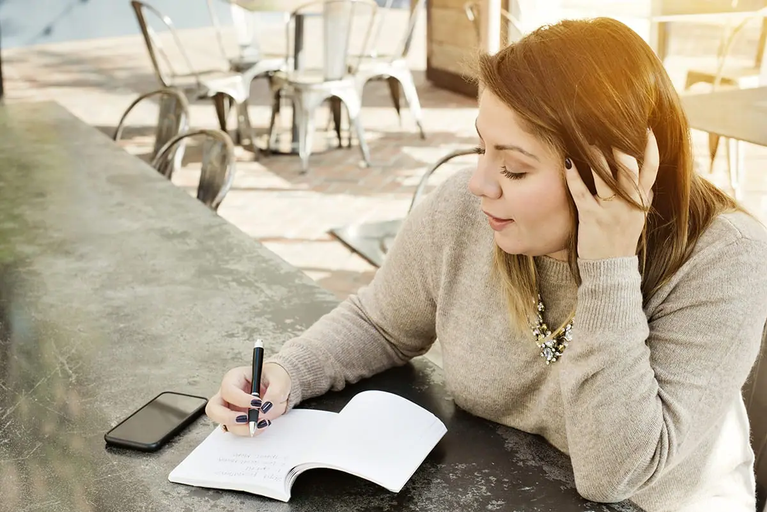
You can also make space for activities that help you relax. Some people enjoy reading, listening to music, gardening, spending time outdoors, or writing their thoughts in a journal. Others prefer talking with a trusted friend or engaging in a creative hobby.
If emotional difficulties continue for a long time or begin interfering with daily life, consider speaking with a qualified mental health professional. Professional support is a valuable part of health care, not a sign of weakness.
Manage Stress Before It Becomes Overwhelming
Stress is a normal response to demanding situations, but ongoing stress can affect sleep, concentration, mood, and everyday habits. Learning to manage it does not mean removing every difficult situation from your life. It means finding healthier ways to respond when pressure builds.
Start by identifying what is causing the most strain. Sometimes, the problem is a large workload. At other times, it may be a lack of rest, financial concerns, unclear expectations, or too many commitments.
Once you understand the source, look for a realistic change. You might divide a large task into smaller steps, ask for help, set a deadline that feels more manageable, or postpone something that is not urgent.
Simple relaxation practices may also help. Slow breathing, gentle movement, a short walk, or a few quiet minutes away from a busy environment can give you an opportunity to reset.
| Source of Stress | Practical Response | Helpful Reminder |
|---|---|---|
| Too many responsibilities | Prioritise tasks and ask for support | You do not have to do everything at once |
| Constant notifications | Silence non-essential alerts | Protect your attention |
| Lack of personal time | Schedule short breaks | Rest is a legitimate need |
| Worry about unfinished work | Write down the next action | Focus on what you can control |
| Emotional pressure | Talk to someone you trust | You do not need to manage everything alone |
Do not expect every stress-management technique to work in every situation. Experiment with different approaches and pay attention to what helps you feel calmer and more prepared.
Get Enough Sleep for Better Health and Energy
Sleep is one of the most important parts of a healthy lifestyle, yet it is often sacrificed when life becomes busy. Late-night work, entertainment, social media, and irregular schedules can make it difficult to get consistent rest.
For most adults, regularly getting at least seven hours of sleep is a useful general target, although individual needs vary. Sleep supports attention, memory, emotional regulation, and many normal bodily functions.
You can improve your sleep routine by keeping a reasonably consistent bedtime and wake-up time. Create a relaxing period before bed, reduce stimulating activities when they interfere with your sleep, and make your sleeping environment as comfortable as possible.
Consider whether caffeine late in the day affects your ability to fall asleep. If it does, adjusting the timing or amount may help. Similarly, if you often use your phone in bed, try charging it away from your pillow and choosing another relaxing activity before sleeping.
Avoid treating sleep as wasted time. Staying awake longer does not necessarily mean you are using your day more effectively. Being well-rested can make everyday tasks easier to manage.
If you regularly have difficulty sleeping, experience severe daytime sleepiness, or have symptoms such as loud snoring with breathing interruptions, speak with a healthcare professional.
Stay Hydrated Throughout the Day

Water supports several important functions in the body, including temperature regulation and normal physical processes. Your hydration needs vary depending on activity level, climate, diet, and individual health circumstances.
In hot weather or during physical activity, you may need more fluids than usual. Keeping a reusable water bottle nearby can make drinking water more convenient, particularly when you spend long hours at a desk or travel frequently.
You can also get fluids from other beverages and foods with high water content. Fruits, vegetables, soups, and similar foods contribute to overall fluid intake.
There is no single amount that is perfect for everyone. Pay attention to your thirst and consider your circumstances rather than forcing yourself to drink excessive amounts. People who have been advised to restrict fluids because of a medical condition should follow their healthcare professional’s guidance.
Small habits, such as drinking water with meals or carrying a bottle when going outdoors, can help you maintain a more consistent routine.
Reduce Screen Time and Create Healthier Digital Habits
Digital devices make life easier in many ways. They help us work, study, communicate, shop, and access information. However, frequent notifications and endless scrolling can make it difficult to concentrate or stay present during everyday activities.
The solution does not have to be giving up technology. Instead, focus on using it more intentionally.
For example, you might check messages at planned times, disable notifications that are not important, or keep your phone aside during meals. If you spend most of your workday on a computer, short breaks away from the screen can help you change position and rest your eyes.
It can also be useful to review how social media affects your mood. If certain accounts or online discussions repeatedly leave you feeling anxious or dissatisfied, consider limiting your exposure.
| Digital Habit | Simple Change | Possible Benefit |
|---|---|---|
| Checking your phone immediately after waking | Begin the day before opening social media | Less early distraction |
| Frequent notifications | Turn off non-essential alerts | Fewer interruptions |
| Screen use during meals | Put devices aside | More attention to food and conversation |
| Late-night scrolling | Create a wind-down period | Supports a calmer bedtime routine |
| Long periods of sitting | Take regular movement breaks | Encourages a less sedentary day |
Healthy digital habits are not about judging yourself for using technology. They are about making sure your devices support your goals instead of taking up more attention than you intended.
Build Strong and Supportive Relationships
Human connection is an important part of overall well-being. Supportive relationships can provide comfort during difficult times, create opportunities for shared experiences, and make ordinary days more enjoyable.
Maintaining relationships does not always require long conversations or elaborate plans. A phone call, a thoughtful message, a shared meal, or a few minutes of genuine conversation can help you stay connected.
Listening is another valuable habit. When someone shares a problem, try to understand their experience before rushing to offer advice. Giving someone your attention can help them feel respected and understood.
At the same time, healthy relationships need boundaries. You can care about others without agreeing to every request or ignoring your own needs. Learning to say no respectfully can help you protect your time and energy.
Make an effort to spend time with people who encourage you, respect your choices, and allow you to be yourself. If a relationship repeatedly causes distress, consider what changes or support may be appropriate.
A healthy lifestyle is not only about individual habits. It is also about creating a life in which meaningful connections have room to grow.
Maintain a Clean and Comfortable Living Environment

Your surroundings can influence your daily experience. A clean, organised space may make it easier to focus, prepare meals, find belongings, and relax after a busy day.
You do not need to keep your home perfectly organised. Start with the areas you use most often, such as your desk, kitchen counter, bedside table, or wardrobe. Spending a few minutes putting things away can prevent small messes from becoming more difficult to manage.
Try to create simple systems that fit your routine. Keep frequently used items in accessible places, prepare essential belongings the night before, and divide household tasks into manageable steps.
Fresh air, natural light, comfortable seating, and personal touches can also make your environment more pleasant. If you work from home, creating a reasonably defined workspace may help you separate professional responsibilities from personal time.
If you live with family or roommates, share household responsibilities fairly rather than expecting one person to manage everything.
Your home does not need to look like a magazine photograph. The aim is to create a space that feels comfortable, practical, and supportive of your everyday needs.
understand your choices and build a more organised approach to money.
Make Time for Hobbies and Personal Growth
A healthy life should include activities that you enjoy for their own sake. When work and responsibilities dominate your schedule, it is easy to forget the interests that once made you feel curious, creative, or relaxed.
Hobbies can provide a break from routine and give you something enjoyable to look forward to. Reading, cooking, photography, gardening, painting, music, sports, and learning new skills are just a few possibilities.
You do not need to be exceptionally talented at a hobby to benefit from it. The purpose is to enjoy the process, explore your interests, and spend time doing something that matters to you.
Personal growth can also happen through everyday experiences. You might learn to prepare a new dish, improve your communication skills, explore a subject that interests you, or become more confident in managing a responsibility.
Try to avoid turning every hobby into a performance goal. Not every interest needs to become a business, a competition, or a way to prove your productivity.
Making time for enjoyment is not a distraction from a healthy life. It is one of the things that makes a balanced life worthwhile.
Practise Gratitude While Staying Realistic

Gratitude is a simple way to notice the positive aspects of everyday life. It might involve appreciating a friend who checked in on you, enjoying a favourite meal, recognising progress on a task, or taking a moment to enjoy a peaceful evening.
Some people find it useful to write down a few things they appreciated during the day. Others prefer to reflect quietly or express thanks directly to someone who helped them.
The purpose is not to pretend that difficult situations do not exist. You can appreciate good experiences while also feeling worried, disappointed, or frustrated about something else.
Gratitude should not become another expectation that makes you feel guilty when you are struggling. There may be days when it is difficult to identify anything positive, and that is part of being human.
Instead, think of gratitude as an invitation to notice more of your experience. It can help you recognise that even during busy or challenging periods, some moments may still bring comfort, connection, or meaning.
Create a Healthy Work-Life Balance
Work can provide purpose, financial security, and opportunities to learn. However, when professional responsibilities regularly take over personal time, it can become difficult to maintain the habits that support your health.
A healthier work-life balance begins with realistic expectations. Identify which tasks need immediate attention and which can wait. Set reasonable working hours when possible, take breaks, and try to avoid allowing every free moment to become another opportunity to work.
A short end-of-day routine can help you switch off. Write down unfinished tasks for the following day, organise your workspace, and decide when you will return to your responsibilities.
If your workload is consistently unmanageable, consider discussing priorities, deadlines, or available support with your manager or colleagues, where appropriate.
It is also important to recognise that balance can look different during different stages of life. Some weeks may require extra attention to work or family responsibilities. The goal is to prevent those demanding periods from becoming a permanent pattern that leaves no room for rest.
Your health, relationships, and personal interests deserve consideration alongside your professional goals.
Common Healthy Lifestyle Mistakes to Avoid
Many people struggle with healthy living because they try to change too much too quickly. They may follow a strict diet, begin an intense workout routine, eliminate every enjoyable food, and expect immediate results. When the routine becomes difficult to maintain, they may feel disappointed and give up entirely.
A more sustainable approach involves recognising that healthy habits develop over time. Small changes can be more practical than dramatic plans, especially when you have a busy schedule.
| Common Mistake | Why It Can Be Difficult | A Better Approach |
|---|---|---|
| Changing every habit at once | Can make daily life feel overwhelming | Start with one or two changes |
| Following extreme diets | May be difficult to maintain | Focus on balanced, varied meals |
| Exercising too intensely at first | Can increase discomfort or injury risk | Build activity gradually |
| Sacrificing sleep for productivity | Can affect energy and concentration | Protect time for adequate rest |
| Comparing your progress with others | Creates unrealistic expectations | Focus on your own circumstances |
| Expecting immediate results | Can lead to frustration | Track gradual improvements |
Remember that setbacks are normal. Missing a workout, eating differently during a celebration, or having a difficult week does not erase your progress. Return to your routine when you can and adjust it if it no longer suits your needs.
Conclusion Make Small Changes for a Better Mind, Body, and Life

A healthier life is built through everyday decisions rather than one dramatic transformation. Eating balanced meals, staying active, getting enough sleep, managing stress, maintaining supportive relationships, and making time for personal interests can all contribute to a more balanced routine.
You do not need to follow every wellness trend or compare your habits with someone else’s. What matters is finding an approach that supports your physical health, emotional well-being, and personal circumstances.
Start with one small change that feels realistic. Take a walk, prepare a nourishing meal, set aside time to relax, or reconnect with someone important to you. Once that change becomes more familiar, consider what you would like to improve next.
Remember that healthy living includes rest, flexibility, enjoyment, and asking for support when you need it. There will be days when your routine goes smoothly and others when you have to adjust your plans. Both are normal parts of life.
The goal is not to create a perfect lifestyle. It is to build a healthier relationship with your mind, body, and everyday choices, one step at a time. With patience and consistency, small habits can become meaningful parts of a life that feels healthier, more balanced, and more fulfilling.
FAQ’S
1. What are the best tips for maintaining a healthy lifestyle?
The best tips include eating balanced meals, staying physically active, getting enough sleep, drinking sufficient water, managing stress, and maintaining supportive relationships. Start with small habits that fit comfortably into your daily routine.
2. How can I improve my mental and physical health naturally?
You can support your mental and physical health by exercising regularly, eating nutritious foods, maintaining a consistent sleep schedule, spending time outdoors, and making time for relaxation. If health concerns persist, consult a qualified healthcare professional.
3. Why is sleep important for a healthy lifestyle?
Sleep supports memory, concentration, emotional well-being, and normal bodily functions. Maintaining a consistent sleep routine and creating a comfortable sleeping environment can help improve sleep quality.
4. How can I develop healthy habits that last?
Start with one or two manageable changes, such as taking a daily walk or planning balanced meals. Practise them consistently, track your progress, and adjust your routine when necessary instead of expecting immediate results.
5. How can I maintain a healthy work-life balance?
Set realistic priorities, take regular breaks, establish reasonable working hours, and make time for family, friends, hobbies, and rest. Learning to set boundaries and asking for support when needed can also help you maintain a more balanced lifestyle.
The ExploreSmartly team
Written and checked by the people who run ExploreSmartly.


Pingback: The Best Lifestyle Fashion 5-Panel Hats, Aesthetic & Winter Wear - ExploreSmartly