

Money management has changed a lot over the last few years. Not so long ago, checking a bank balance meant visiting a branch or waiting for a statement. Paying bills, sending money to family, or keeping track of monthly expenses could take more time than expected. Now, many of these tasks can be handled from a smartphone while sitting at home, travelling to work, or taking a short break. A few taps can help pay a bill, transfer money, check spending, or review a savings goal. This is where financial technology, better known as FinTech, comes in.
FinTech brings money and technology together to make financial services easier to access and use. It includes mobile banking, digital payments, budgeting apps, online investment platforms, and tools that help people understand their spending habits.
But the real change goes beyond convenience. FinTech is giving people new ways to organise their finances, prepare for unexpected expenses, and make everyday money decisions. Whether someone receives a monthly salary, runs a small business, or is just learning how to save, digital finance has become a useful part of modern life.
What Is FinTech and Why Does It Matter?
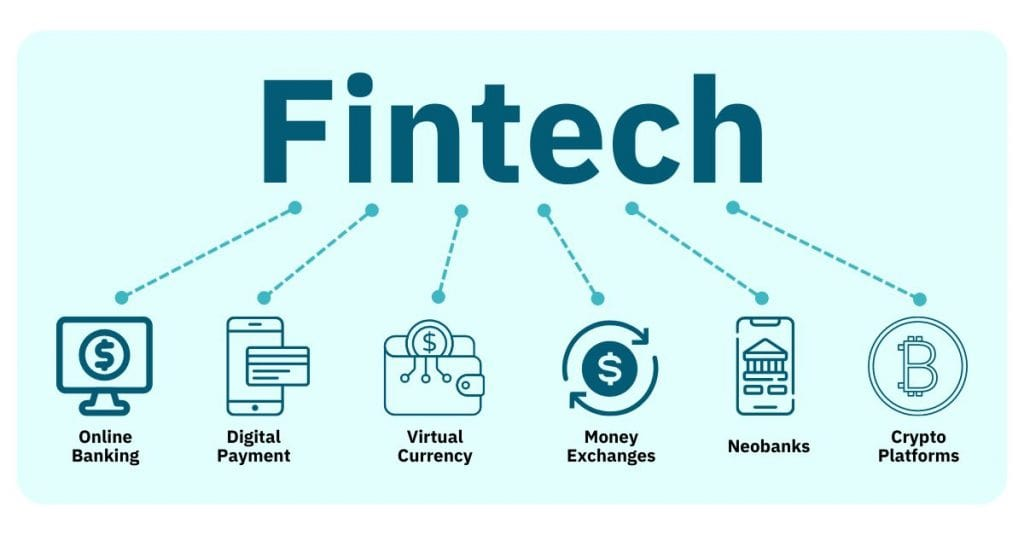
FinTech simply means using technology to make financial services more convenient, accessible, or efficient.
Think about the last time you paid for groceries using your phone, checked a bank balance through an app, or transferred money to a friend without visiting a bank. These everyday activities are examples of financial technology at work.
FinTech covers several services, including:
- Mobile banking: Checking balances, transferring money, and managing accounts through an app.
- Digital payments: Paying for shopping, bills, and everyday purchases using supported digital methods.
- Budgeting apps: Keeping track of income, expenses, and monthly spending limits.
- Online investing: Exploring investment products and monitoring a portfolio digitally.
- Digital lending: Applying for eligible loans and keeping track of repayments online.
- AI-powered financial tools: Getting help with spending summaries, budgeting, and organising financial information.
What makes FinTech useful is that it can take tasks that once felt complicated and make them easier to manage. Still, the right service depends on a person’s needs, financial knowledge, and comfort with technology.
1. Mobile Banking Makes Everyday Life Easier
Imagine needing to check whether your salary has arrived, only to realise that you would have to visit a bank or wait until you could access your account another way. Mobile banking has made many situations like this much simpler.
Today, people can often check their balances, review transactions, transfer funds, and pay bills directly from their phones. They can manage routine banking tasks without planning their day around a branch visit.
Mobile banking apps may allow users to:
- Check their available balance whenever needed.
- Transfer money between eligible accounts.
- Pay electricity, internet, and other household bills.
- Review recent transactions to spot unfamiliar payments.
- Download account statements for personal records.
- Receive alerts about deposits and withdrawals.
For someone with a busy schedule, these small conveniences can make a real difference. Instead of spending time on routine banking, they can check their finances in a few minutes and get on with their day.
The biggest benefit is having a clearer picture of your money. When account information is easy to access, it becomes simpler to plan upcoming payments and avoid unpleasant surprises.
2. Digital Payments Have Changed How People Shop
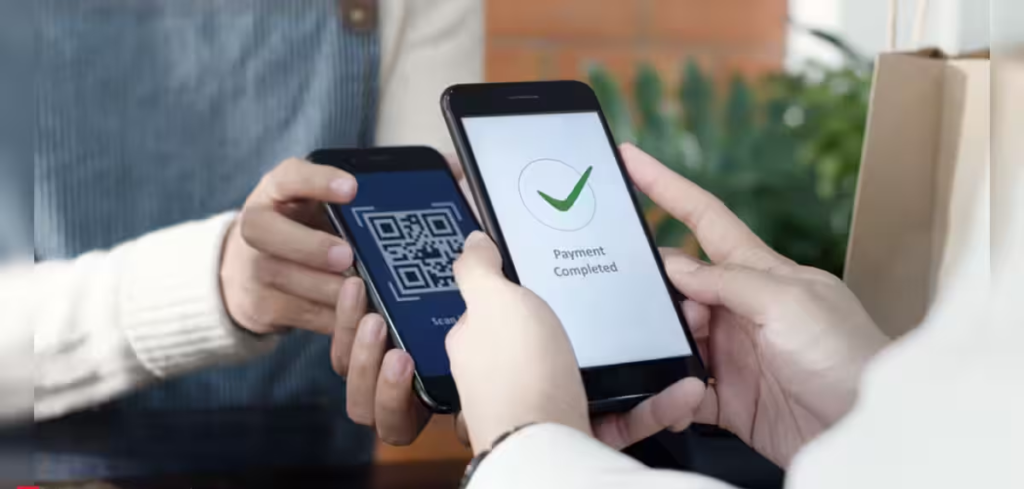
Think about buying a cup of coffee, paying a taxi fare, or picking up groceries. Many people now reach for their phones instead of searching their pockets for cash.
Digital payment services have made everyday transactions more convenient. Depending on the country and service, people can pay through QR codes, mobile wallets, contactless cards, or instant bank transfers.
In India, UPI has become a familiar way for many people to send and receive money. It is used for everything from splitting restaurant bills to paying local shopkeepers.
Digital payments offer several practical benefits:
- Payments can often be completed within seconds.
- Digital records make it easier to review transactions.
- People can send money without needing to carry exact cash.
- Online purchases and bill payments become more convenient.
- Small businesses can accept payments through supported systems.
There is one small catch, though. When paying becomes effortless, spending can become effortless too.
It is easy to make several small purchases throughout the week and forget how much they add up to. Checking payment history regularly can help people enjoy the convenience of digital payments without losing track of their budget.
3. Budgeting Apps Help People Understand Their Spending
Have you ever looked at your bank balance near the end of the month and wondered where all your money went? It happens more often than people admit.
Sometimes, there is no single big purchase to blame. It is the everyday spending that adds up: food deliveries, online shopping, transport, subscriptions, and those little purchases that barely seem noticeable at the time.
Budgeting apps can help make these habits easier to understand. Some allow users to record expenses manually, while others can organise transactions from connected financial accounts.
| Budgeting feature | How it helps in everyday life |
| Expense tracking | Shows where your money is going |
| Spending categories | Separates expenses such as food, shopping, and transport |
| Monthly budgets | Helps you set realistic spending limits |
| Bill reminders | Makes it easier to remember upcoming payments |
| Savings goals | Tracks progress towards a financial target |
| Monthly summaries | Highlights spending habits you may want to change |
For example, someone might think they spend very little on food delivery. After reviewing their monthly expenses, they may discover that several small orders are taking up a surprisingly large part of their budget.
That does not mean they need to stop ordering food altogether. It simply gives them the information to decide what feels affordable.
A budgeting app cannot make financial decisions for you, but it can help you see your habits more clearly. Sometimes, that awareness is the first step towards managing money better.
4. Saving Money Becomes Easier With Clear Goals

Saving can be difficult when there is no specific reason to put money aside. Telling yourself to save more is one thing; knowing exactly what you are saving for is another.
Maybe you want to buy a new laptop, plan a holiday, pay for a course, or build an emergency fund. Having a clear target can make saving feel more achievable.
Many digital finance tools let users set goals, track contributions, and monitor how close they are to reaching a target.
For example, if you want to save ₹24,000 over a year, you could aim to set aside ₹2,000 each month, assuming no interest or other changes. A savings tracker can help you see your progress without needing to calculate everything repeatedly.
Useful features include:
- Automatic transfers into eligible savings accounts.
- Separate goals for different needs.
- Reminders to save regularly.
- Progress indicators that show how much remains.
- Savings calculators that estimate the time needed to reach a target.
One helpful habit is to save a planned amount soon after receiving your income rather than waiting to see what remains at the end of the month.
Of course, the amount should fit your circumstances. Essential bills and everyday needs come first, and it is important to understand any account conditions before setting up automatic transfers.
5. Online Investing Makes Financial Markets More Accessible
Investing can feel intimidating when you are just starting out. Financial terms, market movements, and the number of available products can make it difficult to know where to begin.
Online investment platforms have made it easier for eligible users to access information, open investment accounts, and monitor their holdings digitally.
Depending on the platform and local regulations, investors may be able to explore stocks, mutual funds, exchange-traded funds, bonds, and other financial products.
These platforms may help users:
- Review their investments in one place.
- Check portfolio performance.
- Access transaction records.
- Compare fees and product information.
- Set up eligible recurring investments.
- Learn basic investing concepts through educational resources
For beginners, having this information available in one place can make the learning process less overwhelming.
However, investing through an app does not make investing risk-free. Market prices can fall, returns are never guaranteed, and different products carry different levels of risk.
Before investing, it is worth understanding what you are buying, how much risk you can afford to take, and when you may need the money. Learning the basics and avoiding rushed decisions is far more useful than chasing whatever investment happens to be popular online.
6. AI Is Giving People New Ways to Manage Money

Artificial intelligence is becoming part of many digital services, and personal finance is no exception.
Imagine opening a monthly spending report and finding that several subscriptions are being charged automatically. Instead of checking every transaction one by one, an AI-powered tool might help identify recurring payments and summarise your spending patterns.
Depending on the service, AI tools can help with:
- Organising transactions into spending categories.
- Summarizing monthly income and expenses.
- Highlighting unusual account activity.
- Creating a basic budget from information you provide.
- Explaining common financial terms in simple language.
- Reminding users about recurring expenses or financial goals.
This can be especially helpful for people who find financial statements confusing or do not enjoy working with spreadsheets.
Still, AI is not a substitute for careful decision-making. A tool may categorise a transaction incorrectly, overlook important information, or suggest something that does not suit your situation.
Use AI to help you understand your finances, not to make every decision on your behalf. Always double-check important information, be careful about sharing personal financial details, and verify recommendations before acting on them.
7. Digital Lending Is Simplifying Loan Applications
Applying for a loan can feel stressful, particularly when you are dealing with a large expense or an unexpected financial need. Digital lending services aim to make some parts of the process more convenient by allowing applicants to submit information and track applications online.
Depending on the lender and the type of loan, the process may include digital document submission, identity verification, eligibility checks, and online repayment tracking.
| Traditional loan process | Digital lending process |
| May require branch visits | Many steps may be completed online |
| Paperwork may be involved | Eligible documents can often be submitted digitally |
| Updates may require follow-up | Application progress may be visible online |
| Repayment records may need separate tracking | Some platforms show repayment schedules digitally |
The convenience is useful, but borrowing still deserves careful thought.
Before accepting a loan, look beyond the advertised interest rate. Check the total amount you will repay, processing fees, late-payment charges, repayment period, and the lender’s credibility.
Be cautious of offers that promise guaranteed approval, demand unnecessary personal information, or pressure you into borrowing immediately. A quick application is only helpful when the loan itself makes financial sense.
8. FinTech Is Helping Small Businesses Stay Organised

Running a small business involves much more than selling products or providing services. Owners also need to track payments, pay suppliers, manage expenses, and make sure there is enough money available for upcoming costs.
Keeping everything in notebooks or scattered files can become difficult as a business grows. Digital finance tools can bring many of these tasks into a more organised system.
Small businesses may use FinTech to:
- Accept digital customer payments.
- Create invoices and send payment reminders.
- Track everyday business expenses.
- Monitor money coming in and going out.
- Manage payroll through supported services.
- Prepare financial summaries for accounting.
Consider a small online seller receiving payments from dozens of customers. Digital transaction records can help the seller match payments with orders and identify outstanding invoices more easily.
That means less time spent searching through records and more time focusing on customers and business operations.
Of course, technology does not remove the need for accurate bookkeeping. Businesses still need to review records, protect their accounts, and follow relevant tax and financial requirements.
9. FinTech Can Bring Financial Services to More People
Access to financial services is not equally convenient for everyone. Some people live far from bank branches, while others face barriers related to documentation, accessibility, or a lack of financial knowledge.
Digital services can help some people access basic financial tools without needing to visit a physical location. Depending on eligibility and local rules, they may be able to make payments, receive money, manage accounts, or explore suitable savings products online.
FinTech can be useful for:
- People who live far from banking facilities.
- Freelancers receiving payments from different clients.
- Small businesses looking for convenient ways to collect money.
- Families sending funds to relatives.
- People who prefer managing records digitally.
However, digital access is not universal. Reliable internet, compatible devices, digital skills, language support, and protection against fraud all matter.
The best financial services are not simply the ones with the most features. They are the ones people can understand, access, afford, and use safely.
10. The Risks of Managing Money Digitally
For all its benefits, FinTech is not perfect. When more financial activity happens online, users need to think about security, privacy, and spending habits.
| Common concern | Why it matters |
| Online scams | Fake messages and payment requests can lead to financial losses |
| Data privacy | Some apps collect personal and financial information |
| Impulse spending | Quick payments can make unplanned purchases easier |
| Hidden fees | Certain services charge transaction or subscription fees |
| Technical problems | Outages can temporarily interrupt access to services |
| Incorrect advice | Automated tools may provide incomplete or unsuitable suggestions |
The answer is not to avoid digital finance altogether. It is to understand the services you use and take a few sensible precautions.
For example, reviewing your transactions regularly can help you notice unfamiliar charges. Reading the terms before signing up can help you avoid unexpected fees. Taking a moment to verify a payment recipient can prevent costly mistakes.
11. Simple Habits for Using FinTech Safely
You do not need advanced technical knowledge to protect your digital finances. A few everyday habits can make your accounts safer.
- Create strong passwords: Avoid reusing the same password across financial accounts.
- Enable extra verification: Use two-factor authentication wherever available.
- Keep PINs and OTPs private: Never share confidential banking codes with someone who contacts you unexpectedly.
- Double-check payments: Confirm the recipient and amount before approving a transfer.
- Choose trusted apps: Verify the provider before sharing personal or financial information.
- Review transactions: Report suspicious activity to your bank or payment provider promptly.
- Understand the fees: Check account conditions and charges before using a service.
- Update your devices: Install security updates and use a screen lock.
- Be cautious with public networks: Avoid sensitive financial activity on untrusted Wi-Fi.
- Question financial promises: Be wary of guaranteed investment returns and pressure to make quick decisions.
These habits may seem simple, but they help build a safer relationship with digital money management.
12. Traditional Banking vs FinTech: Which Is Better?
Traditional financial institutions and FinTech services are not necessarily competitors in every situation. Many banks now offer advanced digital services, while some FinTech companies work with established financial institutions to deliver particular products.
The right choice depends on what you need.
| Feature | Traditional financial services | Digital-first FinTech services |
| Access | May include in-person branch support | Often available through apps or websites |
| Routine transactions | Some tasks may involve extra steps | Many tasks can be completed digitally |
| Financial records | Paper or digital formats | Usually accessible digitally |
| Customer support | May include face-to-face assistance | Often offers chat, phone, or online support |
| Personalisation | Depends on the institution | Some services offer tailored digital features |
| Possible limitations | Branch hours and travel | Security concerns and dependence on technology |
Someone who values personal assistance may prefer visiting a bank for complicated matters. Another person may prefer handling routine payments through an app.
Neither approach is automatically right for everyone. A combination of reliable banking services and useful digital tools may offer the most practical solution.
13. What Does the Future of FinTech Look Like?
Financial technology continues to evolve, and the way people manage money may become more connected and personal over time.
Several developments are worth watching:
Smarter budgeting tools: Apps may provide more useful spending summaries and help users understand recurring expenses.
Improved fraud detection: Financial institutions can use advanced systems to identify suspicious activity and respond more quickly.
More connected services: Some platforms may make it easier to view different parts of a person’s finances in one place.
Convenient payment systems: Digital payments may become more seamless across shopping, bill payments, and business transactions.
Better financial education: Interactive tools may help people understand credit, borrowing, saving, and investing in language they find easier to follow.
Responsible AI use: Providers will need to pay attention to accuracy, privacy, transparency, and fairness as AI becomes more common.
The future of FinTech is not just about making financial transactions faster. Its bigger opportunity lies in helping people understand their money and make better-informed decisions.
FinTech has changed how people manage money by making everyday financial tasks more convenient and accessible. Mobile banking, digital payments, budgeting apps, online investing, and AI-powered tools all offer new ways to organise finances and keep track of financial goals.
But having access to technology does not automatically lead to better money habits. Saving regularly, spending thoughtfully, understanding borrowing costs, and making informed financial decisions are still essential.
The smartest approach is to choose reliable tools that genuinely meet your needs, understand their costs and limitations, and use them to support your financial goals.
When useful technology is combined with sensible habits, managing money can feel less confusing, more organised, and easier to fit into everyday life.
Frequently Asked Questions
1. What is FinTech in simple terms?
FinTech means using technology to make financial services easier to access and use. Examples include mobile banking, digital payments, budgeting apps, and online investment platforms.
2. How does FinTech help people manage money?
It can help people track expenses, pay bills, monitor accounts, and organise savings goals. These tools make it easier to understand spending habits and plan ahead.
3. Is FinTech safe to use?
FinTech can be safe when you choose reliable providers and protect your accounts. Strong passwords, extra verification, and regular transaction checks help reduce risks.
4. How is AI used in FinTech?
AI can help organise transactions, summarise expenses, and explain financial information. Its suggestions should be checked because automated tools can make mistakes.
5. What is the future of FinTech?
FinTech is likely to focus more on personal financial tools, digital payments, fraud prevention, and smarter money management. Security and privacy will remain important.
The ExploreSmartly team
Written and checked by the people who run ExploreSmartly.